Table Of Content
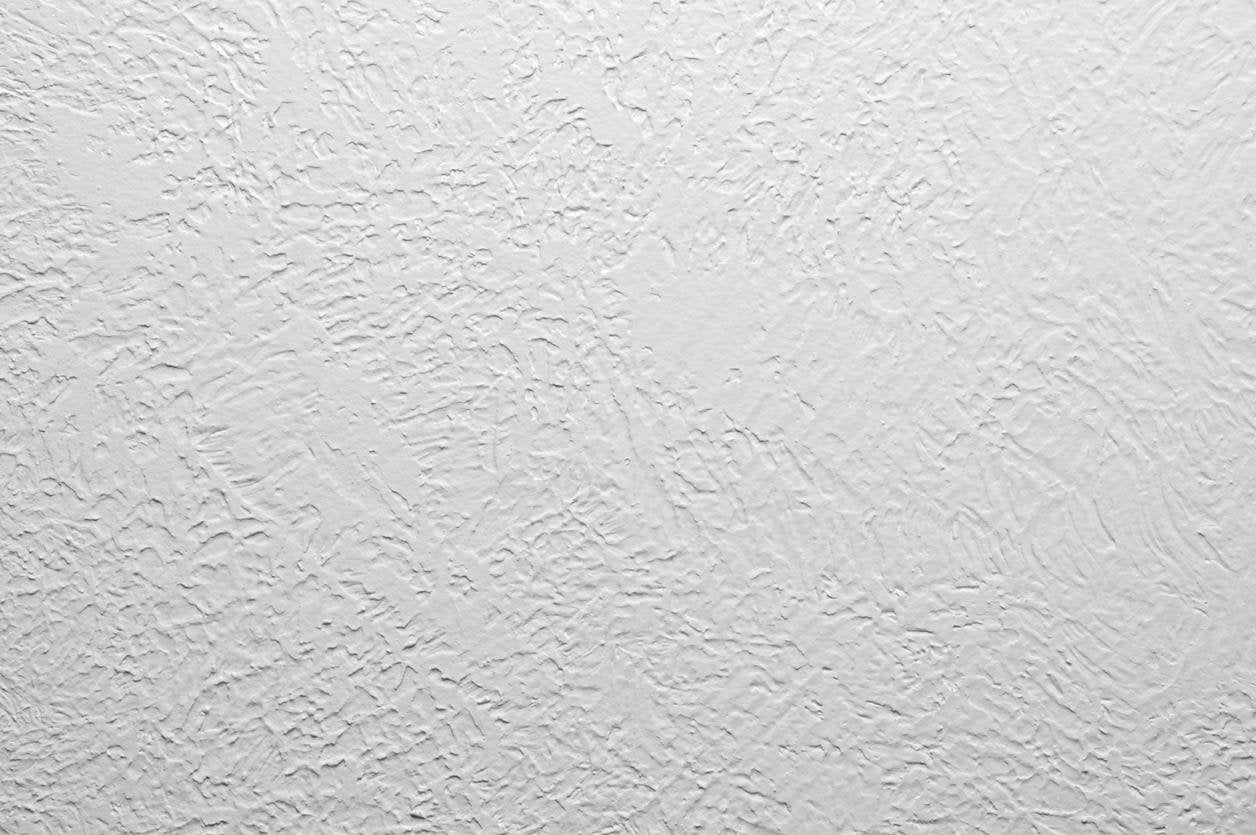
But don't fret if none of these wall treatments are up your alley, as wallpaper is another failsafe choice that can give your home a high-design feel. Many leading designers appreciate the way upholstered walls pull a room together and their ability to make a design scheme feel more welcoming. Common wall coverings are made of materials like linen, grasscloth, wool, and even silk.
Hawk and Trowel
Your walls will be shielded from the growth of mold, mildew, and fungi, thanks to its application. With the comb-like tool, you can easily create shapes, lines, and patterns with abstract and erratic widths for a more tasteful and sophisticated look. Yes, when you add texture to your wall it adds more elegance and also durability to a wall. You can also choose from a variety of wood-like finishes such as brown, honey oak, black walnut, white oak or red oak stain and sealant to achieve this look. Popular in the mid-20th century, the popcorn texture consists of knobby, unevenly distributed bumps that resemble popcorn or cottage cheese. It’s a mixture of stucco and Styrofoam that’s sprayed on ceilings to hide imperfections and serve as a sound insulator between floors—but it can also evoke a fun, retro vibe.
Types of Texture Styles
The texture of the wall may be simple, such as wood board texture, or it could be ornate and intricate. Whatever the style, a good wall texture will add interest to your home. With a bit of effort, you can achieve a distinctive, textured look for your walls and ceilings that’s eye-catching, mood-setting, and personalized to your decorating tastes. This wall texture is created by simply spraying the drywall compound on the wall using a hopper gun. Brick texture design for the exterior offers your wall a rugged design. Don’t forget to add lines of grey or white which will show mortar in between.
How do you decorate a textured wall?
This style of texturing is easy to do using a compound known as perlite (primer with sand mixed into it) and a 7-inch-wide paint brush. Hold the paintbrush by the base, as this will give you more control than holding the handle. Dip the brush a few inches into the perlite, giving it a wipe on either side of the bucket to remove loose drips.
Smooth Texture
Dredge that brush in the drywall compound and then firmly and deliberately slap it against the wall. Spanish lace is a classy and beautiful wall texture similar to the stomp knockdown in look, but can be challenging to create. With light and dark tones, many homeowners use this lace texture to cover up blemishes, cracks, and other imperfections. Spanish lace is one of the most intricate and ornamental of all the wall textures and is an excellent choice for a fixer-upper home. While the compound is still wet, you’ll need a slap brush, which can be any brush with stiff bristles. Dunk the bristles of that brush into your bucket of drywall mud, before firmly slapping it against the wet mud on the wall.
Lithos Design launches four new Pietre Incise textures for wall coverings - Dezeen
Lithos Design launches four new Pietre Incise textures for wall coverings.
Posted: Thu, 21 Sep 2023 07:00:00 GMT [source]
How to Add Wall Texture to Your Space - Architectural Digest
How to Add Wall Texture to Your Space.
Posted: Wed, 23 Aug 2023 07:00:00 GMT [source]
A hawk on the other hand is a flat metal plate with an attached handle. The finished result will show lots of textural variations and color gradations, and certain areas will be so highly polished they’ll seem to gleam. This process will then be repeated several times, using 7 or 8 layers wouldn’t be considered excessive. Let the plaster dry, then sand and buff it between every layer of the application. Today, this particular technique is considered fairly high-end when compared to other finishes. You might find it utilized in famous buildings around the world, including museums and other architecturally-impressive venues.
Anyone who has painted a room before knows how to paint with a roller, so it makes sense to turn to these familiar tools to help texture a space. And texturing walls is the same as texturing a ceiling, without the challenge of painting above your head. We’re always looking for new ways to improve our homes, and the walls are a great place to start as it takes most of the whole visual space in a room.
This Popular Onion Chopper Has Just Been Recalled—What to Do if You Bought It
Artists may use painting or airbrushing techniques to mimic the colors and patterns of bark on different surfaces. Stamps or molds can also be used to create bark-like impressions on materials like concrete or plaster. Rosebud Stomp drywall texture is popular on ceilings in the Midwest of the United States. Rosebud derives its name from the appearance it creates of an opened rose flower with petals rolling out in a circular pattern from the center. In order to produce textured surfaces with a wide variety of colors patterns and textures mixed media painting incorporates a number of artistic mediums including paint ink pastels and more. Artists can add layers of texture and complexity to their paintings by utilizing techniques such as collage stenciling stamping and mark-making.

Choose natural stone for walls
To apply this texture, you will need a roller, slap brush, knockdown knife, and drywall compound. Using the slap brush technique, work your way around the room until each wall is evenly covered in a slap brush texture. For smaller rooms, wait 10 to 15 minutes before beginning to knock down the peaks using the knockdown knife. As with the knockdown technique, if you begin too early a line caused by the edge of the knife will appear in the wall texture.
For people who prefer textured walls but want to reduce their environmental impact low VOC (volatile organic compounds) paints and eco-friendly plaster options are also available. Novices can begin with basic methods such as sponge painting which is applying paint to a sponge and gently pressing it against the wall to create texture. Adding dimension without requiring sophisticated skills is also possible with textured wallpaper or wall patterns.
Since plaster is much different than working with paint, it's best to leave this option to a skilled professional. It can become quite messy rather quickly, so a drop cloth is essential for making clean-up a breeze. And if you ever change your mind and decide to revert to a smooth wall, know that the process is tedious and can take hours. You'll need to trust a professional to handle the smoothing process with the use of troweled plaster or spackling paste. But beyond sand paint, there are other textured wall techniques that Ramsay believes can elevate a design scheme.
However, if opting for textured tiles, it’s advisable to avoid placing them near the cooktop. The textured surfaces may trap cooking residue, making maintenance challenging over time, which is one drawback to consider. The kitchen has transcended its traditional role as merely a space for food preparation.
The colour of wood can easily be changed with lacquered paint according to the choice of the owner. Wooden texture design can be the game changer for the exterior walls. So, complement this texture with a small outdoor garden and see the magic. If yes, then this texture design for your kitchen can be one of your best decisions. Floral designs are one of the most popular choices when it comes to living rooms.




No comments:
Post a Comment